Independent. Nonprofit. Accountable to the problem, not to shareholders.
The hardest problems don't fit in one discipline.
Draper designs, develops, and deploys advanced solutions across biotechnology, electronics, strategic systems, and space — carrying work from first concept to a prototype that survives the field.
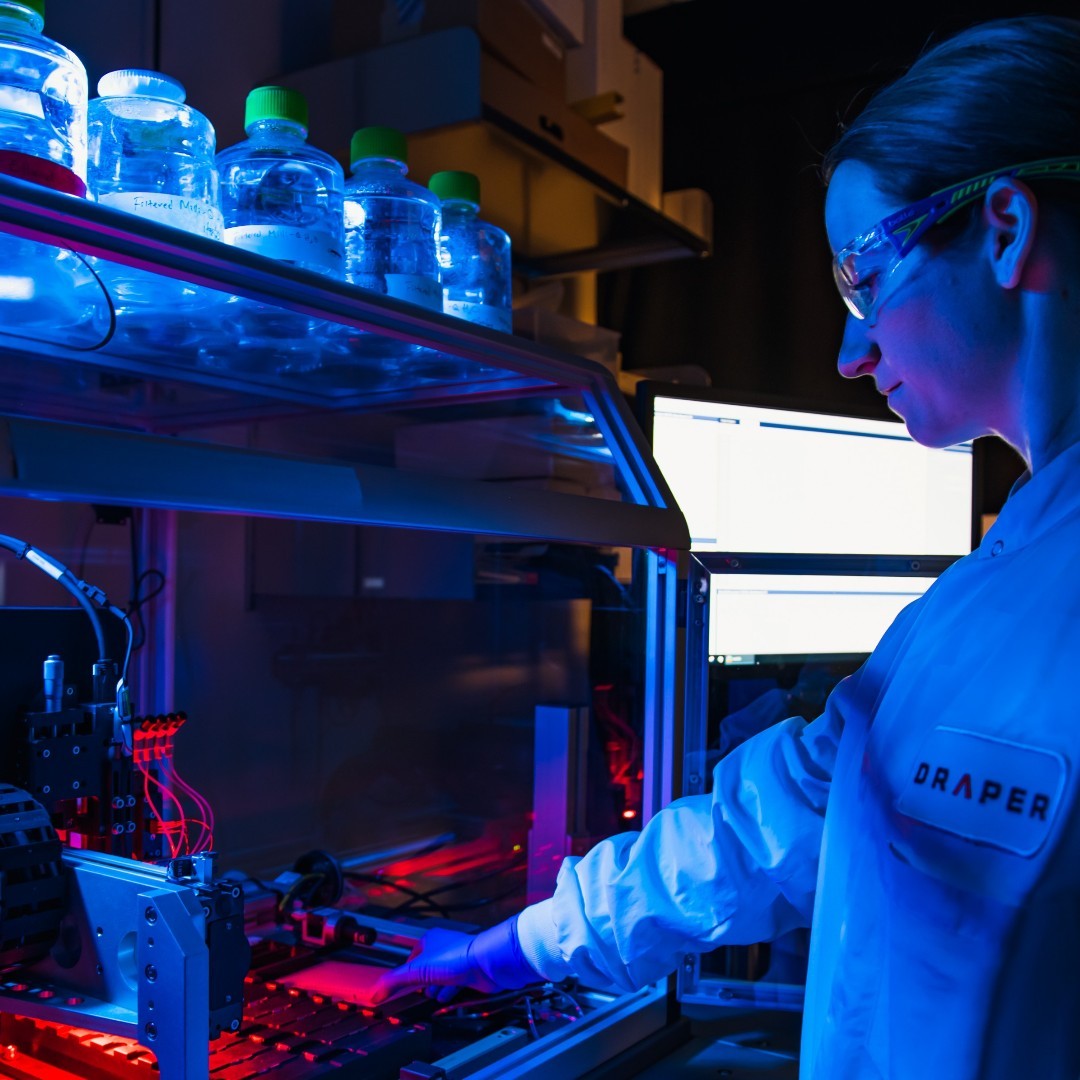
The work is the argument.
Four market areas, one company. Nothing on this site claims a capability without something we built attached to it.
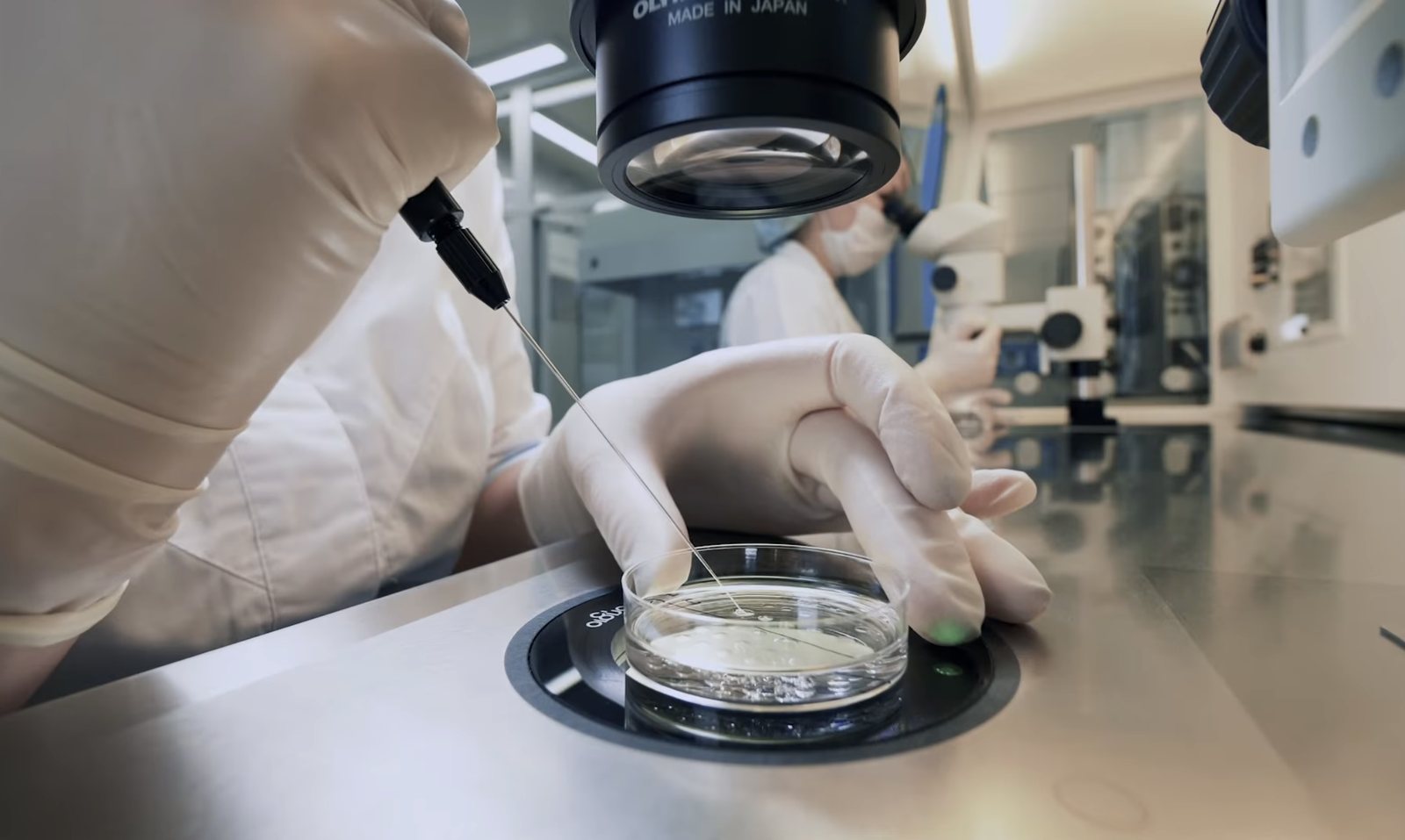 Microfluidic device, macro
Biotechnology Systems
Engineering applied to human biology — from microphysiological platforms to medical devices and biodefense.
Recent work Microphysiological systems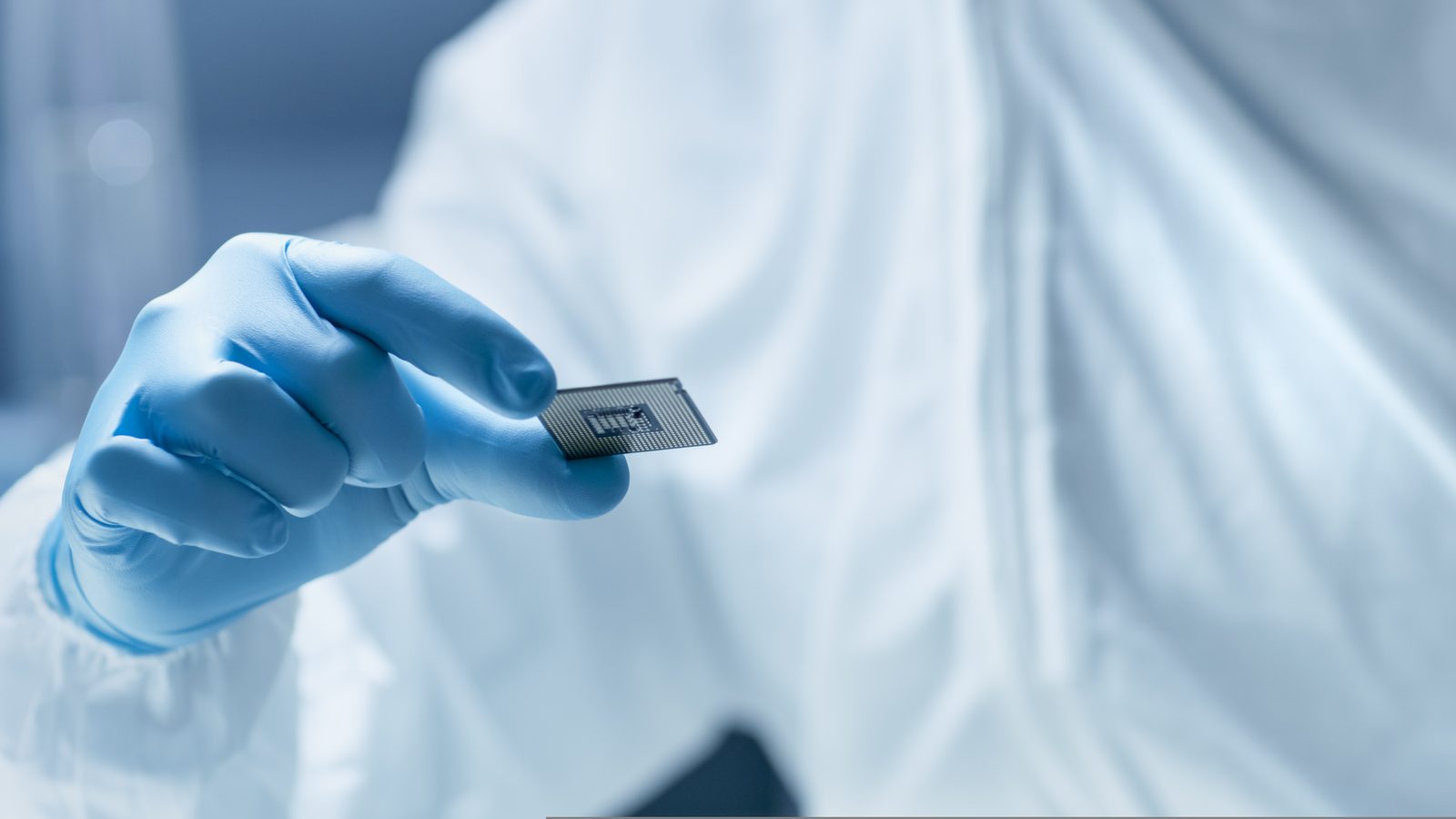 Wafer handling, cleanroom
Electronic Systems
Microelectronics, sensing, and secure processing built small enough and rugged enough to deploy.
Recent work Miniaturized inertial measurement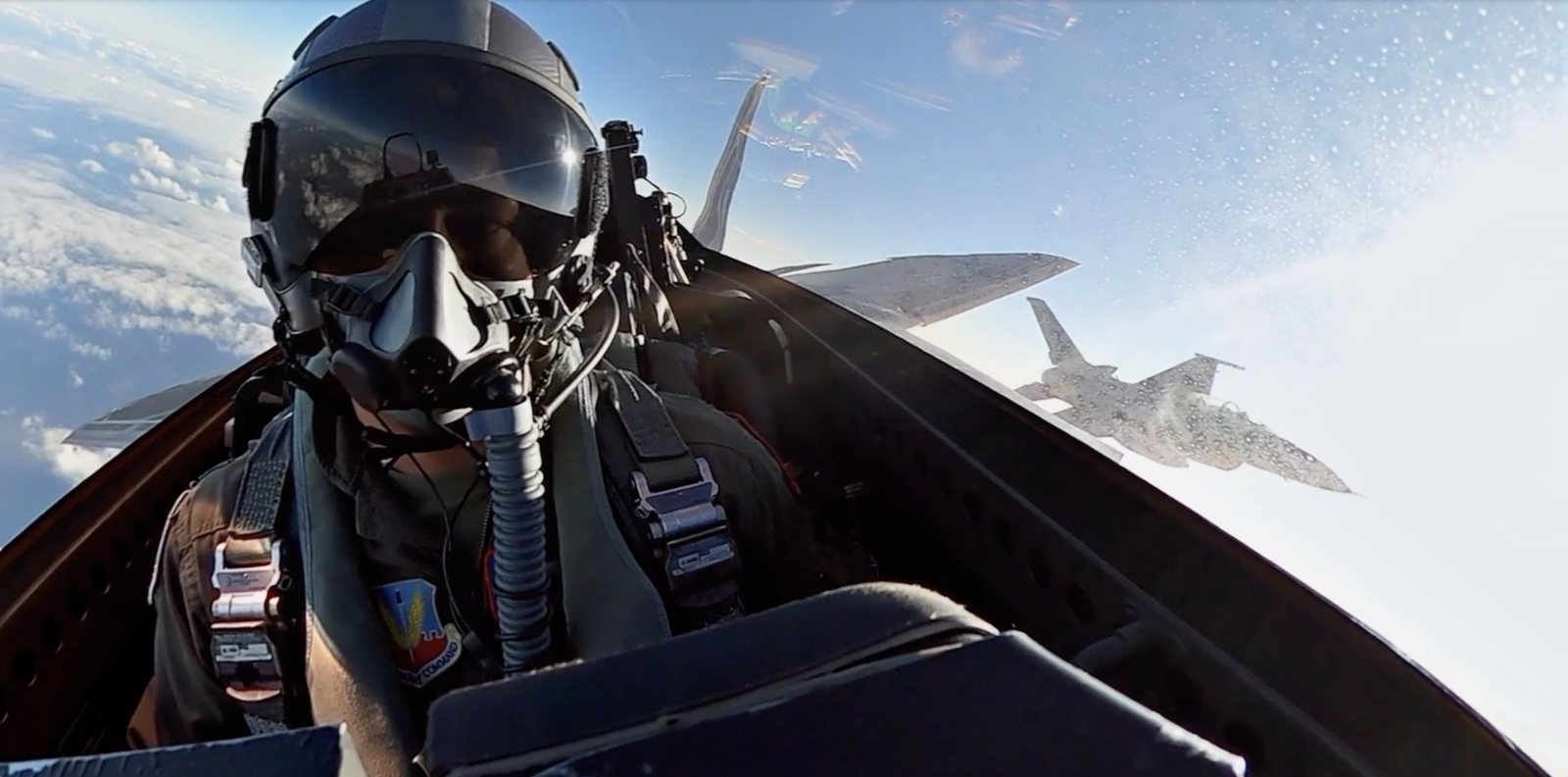 Cockpit, aircraft in formation
Strategic Systems
Guidance, navigation, and control for missions where there is no second attempt.
Recent work Navigation without GPS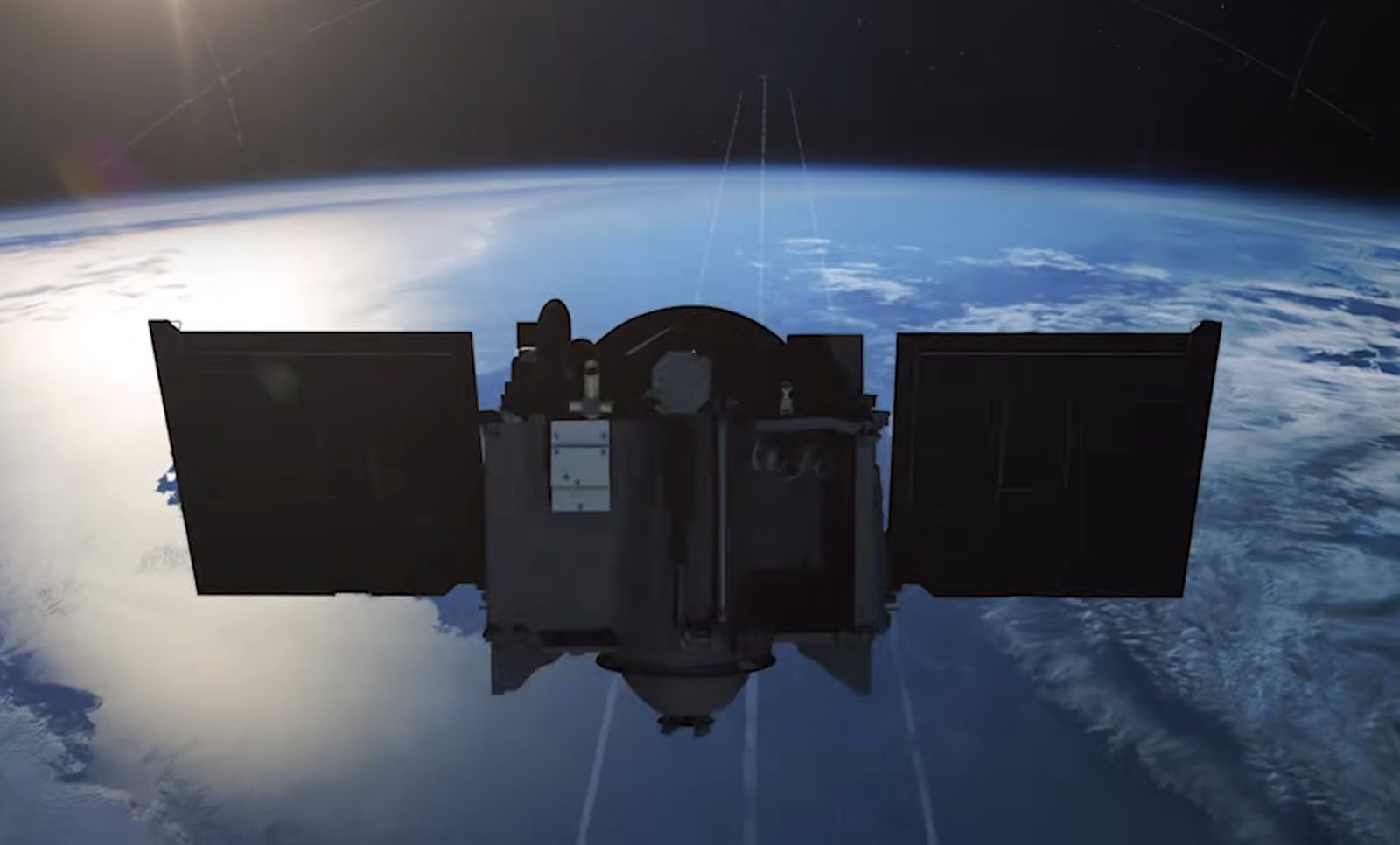 Spacecraft component, clean tent
Space Systems
Autonomy and precision navigation for spacecraft, landers, and long-duration missions.
Recent work Lunar descent and landingPublished, cited, and open to read.
Peer-reviewed papers, patents and technical reports from Draper engineers and scientists, searchable in one place for the first time.
Bring us a problem you can't stop thinking about.
Engineers, scientists and students work side by side. Draper Scholars take graduate degrees while working on funded research. Nobody here spends a career on one program.
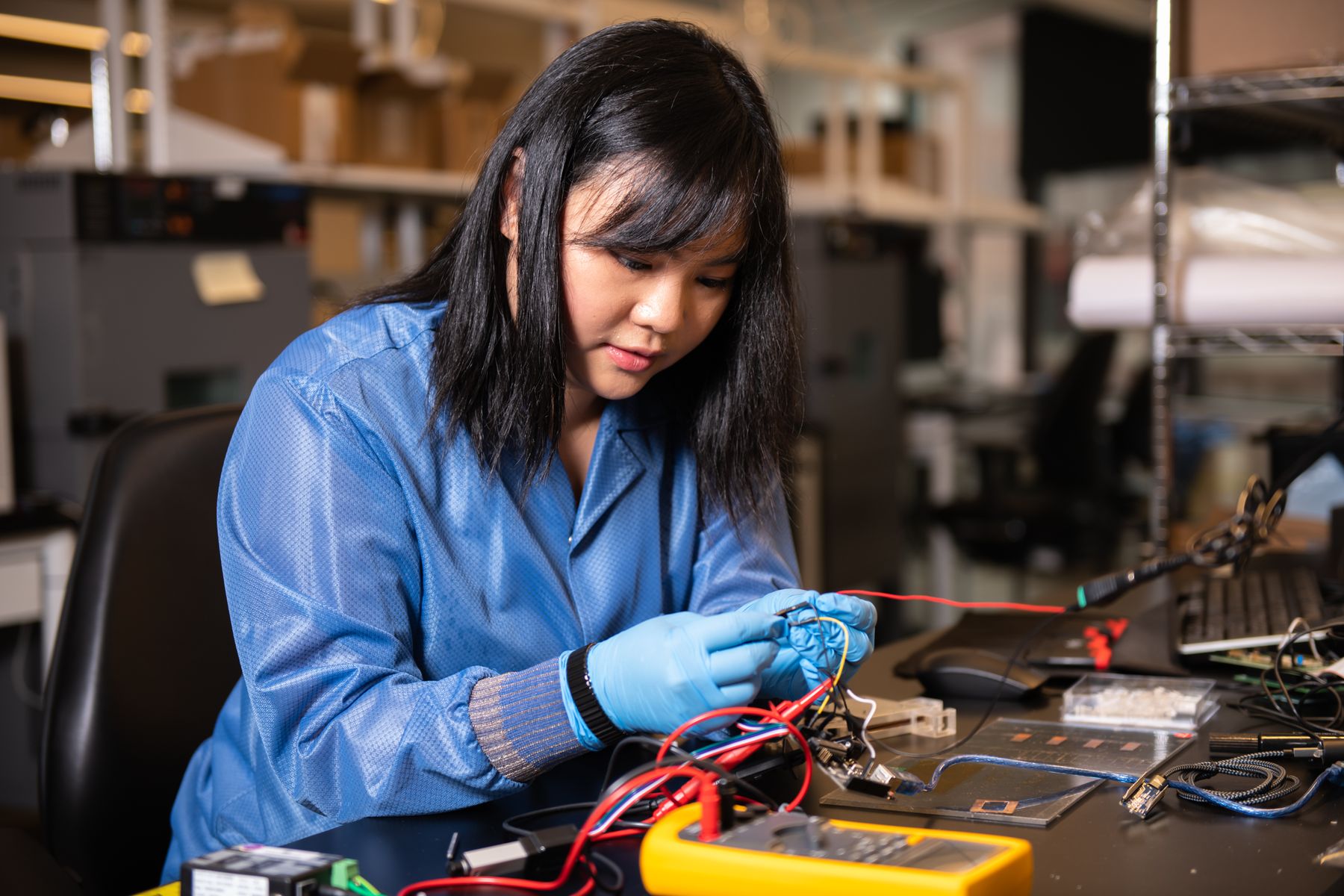
Independence is the product.
We're a nonprofit. No product line to protect, no shareholders to answer to. So the recommendation we give you is the one we actually believe — including when it's that the work shouldn't go ahead.
It's why government, academic and commercial partners bring us the problems they can't hand to a vendor with something to sell.
How Draper is structured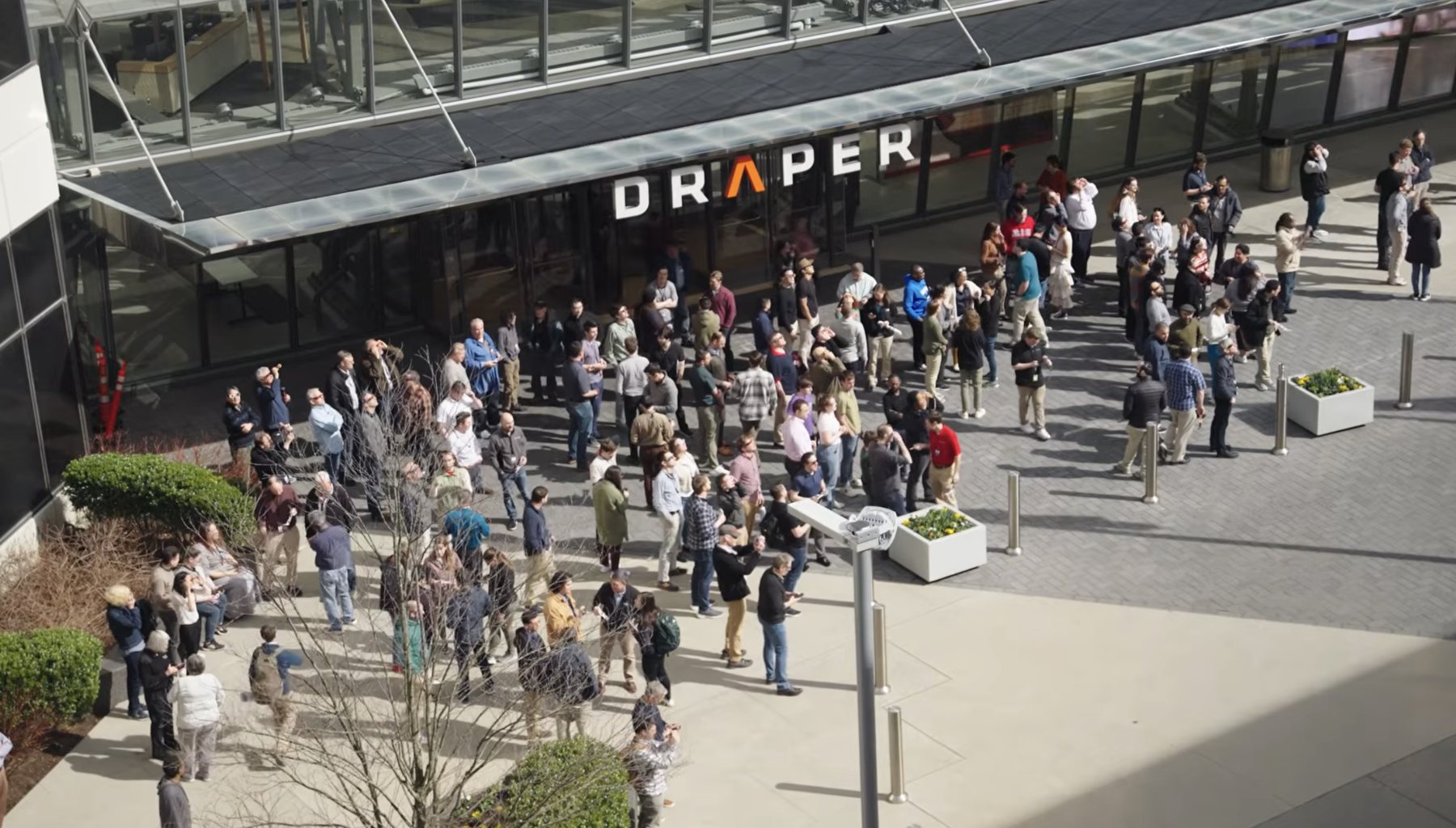
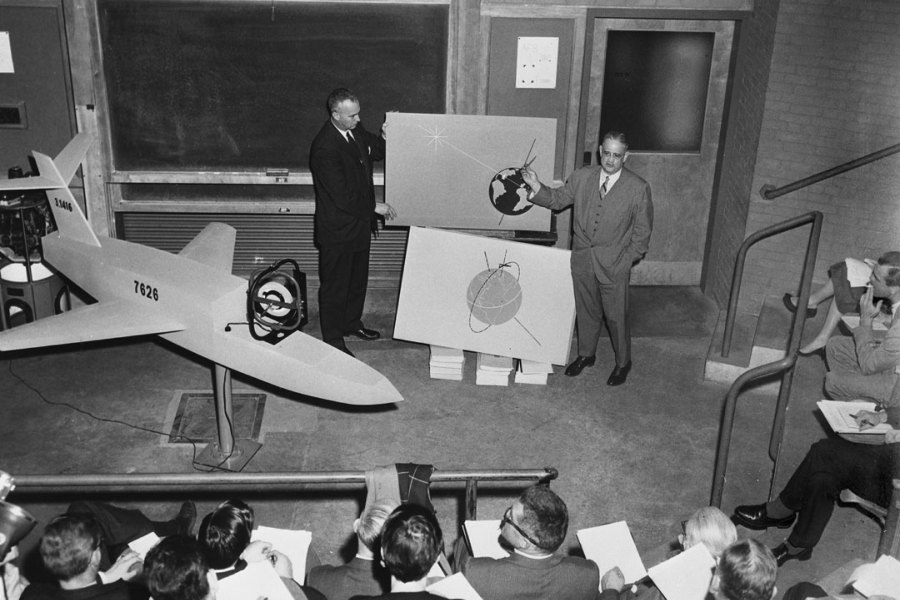
The guidance system that flew Apollo was designed here.
Draper started as an instrumentation laboratory at MIT and became an independent nonprofit in 1973. The founding problem — knowing where you are when nothing outside can tell you — is the one its engineers still work on, in vehicles nobody had imagined then.
Programs that take fifteen years to reach the field need an institution built to still be here.
The Draper Museum
Flight hardware, guidance computers, and archive holdings from six decades of the work, open to visitors at 555 Technology Square.
Plan a visit